Bath vs Shower: What’s Safer for Seniors?
Choosing Between a Bath or Shower for Senior Safety
As mobility changes with age, one of the most common questions families ask is: “What’s safer for seniors: a bath or a shower?”
It sounds simple, but the answer depends on several factors, including balance, strength, mobility, and whether caregivers are involved. On top of that, bathrooms are one of the most common places for senior falls, so the decision carries real weight.
This guide breaks down the pros and cons of baths and showers, and offers practical, affordable alternatives (like Bathway’s tub cut-out solution!) to help seniors stay safe, independent, and confident at home.
The Pros and Cons of Baths for Seniors
Baths can be relaxing and therapeutic, especially for older adults dealing with arthritis, chronic pain, or circulation issues. But they also introduce unique risks.
Pros
- Warm-water soaking can ease joint pain and muscle stiffness
- Comforting and familiar for many seniors
- Private and calming, especially for those who dislike showers
Cons
- High tub walls create a major fall hazard
- Seniors must lower themselves down and push up again, often difficult with weak legs
- Slick tub floors increase slip risk
- Caregiver assistance can be awkward or unsafe
- Many seniors avoid using the bath altogether because of the fear of falling
If a bath is becoming risky or already feels unsafe, you may want to review Signs It’s Time for a Walk-In Bathtub.
The Pros and Cons of Showers for Seniors
Showers can be safer than baths in many cases, particularly when proper equipment is added.
Pros
- Lower step height, especially in walk-in showers
- Easier for seniors using walkers, canes, or shower chairs
- Ideal for caregiver support
- Faster and less physically demanding
- Works well with grab bars and handheld showerheads
Cons
- Some seniors find showers cold or stressful
- Standing too long may cause fatigue or dizziness
- Full walk-in shower renovations are expensive and disruptive
- Completely replacing a bathtub can reduce resale value
Key Factors to Consider: Mobility, Balance & Strength
When deciding bath vs shower safety for seniors, consider how comfortable your loved one is with:
1. Stepping Over Barriers
- A traditional tub can require lifting a leg 20+ inches, too high for many.
- Showers often reduce that step to just a few inches.
2. Standing vs Sitting
- Showers often require standing, unless using a bath seat.
- Baths require lowering down and standing up, which can be even harder.
3. Balance
Poor balance dramatically increases fall risk. Many seniors experience:
- Dizziness
- Unsteadiness
- Weakness after surgeries or hospital stays
4. Arm & Leg Strength
- Is your loved one strong enough to push up from a sitting position in a tub?
- Can they safely stay standing for the duration of a shower?
Have more concerns about bathroom safety? Here’s a helpful guide about How to Bathe a Senior Citizen Safely.
Hybrid Safety Solutions: Why Tub Cut-Outs Are a Game Changer
Here’s where the “bath vs shower” debate takes a turn. You don’t have to choose one or the other.
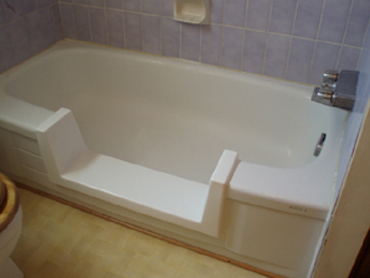
Bathway’s tub cut-out conversion creates a low-entry step-in opening in your existing bathtub, turning it into a hybrid between a bath and a walk-in shower:
What You Get
- A low step-in height; far safer than a standard tub
- The ability to shower safely using a handheld wand
- The ability to keep the tub for future use or other family members
- A fast, affordable installation (usually under a day)
- No renovation, demolition, or plumbing changes
This solution eliminates the biggest danger: stepping over a high tub wall.
Curious what it looks like? Click here.
Which Option Helps Seniors Stay Independent Longer?
Independence is often the deciding factor. Here’s what to consider:
Baths Alone
- Usually requires assistance
- Difficult to get in/out of safely
Showers Alone
- Safer, but still requires balance and stamina
- Full renovations are costly
Bathway Tub Cut-Outs
- Allow seniors to enter and exit safely
- Maintain dignity by reducing the need for assistance
- Work seamlessly with grab bars, shower seats, and handheld showerheads
- Support long-term aging in place
For families exploring long-term home planning, read our Age in Place Tips & Resource Guide.
Caregiver Considerations
If a caregiver is involved, safety and ease of access become even more important. This is what to remember:
Baths
- Hard to assist safely
- Requires awkward bending and lifting
- Pose a higher slip risk for both the senior and the caregiver
Showers
- Easier for side-by-side assistance
- Better visibility and stability
- Compatible with seating options
Tub Cut-Outs
- Optimum for caregivers who need close access
- Seniors can enter with far less support
- Improved safety without removing the tub entirely
Personalizing the Right Choice
When comparing bath vs shower for seniors, there’s no universal answer, just what works best for your loved one’s comfort, health, and mobility.
But for many Canadian families, Bathway’s tub cut-out offers the safest, most practical compromise:
- More affordable than walk-in tubs
- Less intrusive than walk-in shower renovations
- Dramatically safer than a traditional tub
- Helps seniors stay independent, longer
If you’re navigating this decision, it may help to speak with a professional who can assess your bathroom layout and safety needs.
FAQs: Bath vs Shower for Seniors
What’s safer for seniors, a bath or shower?
A shower is usually safer because of the lower entry height. However, a tub cut-out reduces the step just as effectively and preserves tub functionality.
Do seniors need a walk-in bathtub?
Not always. Walk-in tubs are expensive and require sitting inside while they fill/drain. A tub cut-out offers similar accessibility at a far lower cost.
Is a shower seat helpful for seniors?
Yes. Shower chairs or benches reduce fatigue, increase stability, and pair well with a tub cut-out.
Is it worth removing a bathtub for a walk-in shower?
Only if mobility requires it. Many homeowners prefer to keep at least one tub for resale value, which is another reason why tub cut-outs are so popular.
How do I make a bathtub safer for an elderly person?
Add grab bars, non-slip mats, a handheld showerhead, and reduce step height with a tub cut-out. Learn more Tips for Bathroom Safety.
Make Bathing Safer, Easier, and More Comfortable
If you’re weighing the safety of a bath vs a shower, Bathway can help you choose a solution that supports independence, without a costly renovation.
Explore Bathway’s Tub Conversion Solution
A safer bathroom is one small change that makes a big difference. Let us help you make it happen.

Read more testimonials"I was scheduled for hip surgery and one of my concerns was how I was going to get into the bathtub. I didn't have the time and money for a bathroom renovation, so my therapist referred me to Bathway. I don't know what I would have done without them."
 View the Bathway Brochure
 Watch our